Novelis Produces First Coil at Greenfield Aluminum Rolling and Recycling Plant in Alabama
Milestone advances one of the largest new U.S. aluminum manufacturing investments in decades toward commercial shipments in 2027
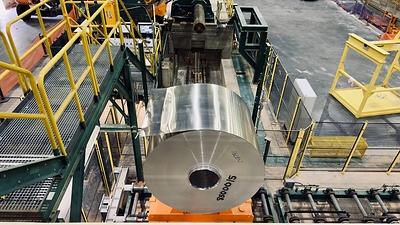
BAY MINETTE, Ala., Oct. 7, 2026 /PRNewswire/ -- Novelis Inc., a leading sustainable aluminum solutions provider and the world leader in aluminum rolling and recycling, has produced the first coil on the cold mill at its $5 billion aluminum recycling and rolling plant in Bay Minette.
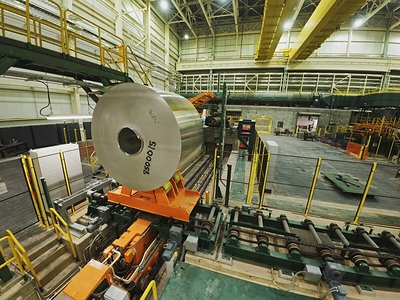
"Producing the first coil on the cold mill is an important step in commissioning Bay Minette and increasing the supply of rolled aluminum in the United States," said Steve Fisher, president and CEO of Novelis. "With the North American market being capacity constrained, this investment will help Novelis meet long-term market demand, strengthen our U.S. manufacturing footprint and increase the use of recycled content in our products."
Bay Minette is the first fully integrated aluminum recycling and rolling plant to be built in the United States in more than 40 years. When fully operational, the facility will add 600 kilotonnes of annual rolled aluminum capacity to serve beverage packaging, automotive and specialty product markets. The plant also includes a recycling center that will be capable of processing more than 15 billion used beverage cans annually.
All assets at Bay Minette required to commence commercial shipments are currently in the commissioning process. Novelis is working toward customer qualification and commercial shipments, which are on track to begin in the second quarter of 2027.
The highly advanced facility is expected to create up to 1,000 new jobs once fully operational.
About Novelis
Novelis Inc. is driven by its purpose of shaping a sustainable world together. We are a global leader in the production of innovative aluminum products and solutions and the world's largest recycler of aluminum. Our ambition is to be the leading provider of low-carbon, sustainable aluminum solutions and to achieve a fully circular economy by partnering with our suppliers, as well as our customers in the aerospace, automotive, beverage can and specialties industries throughout North America, Europe, Asia and South America. Novelis had net sales of $18.4 billion in fiscal year 2026. Novelis is a subsidiary of Hindalco Industries Limited, an industry leader in aluminum and copper, and the metals flagship company of the Aditya Birla Group, a multinational conglomerate based in Mumbai. For more information, visit novelis.com.
Forward-Looking Statements
Statements made in this news release that describe Novelis' intentions, expectations, beliefs or predictions may be forward-looking statements within the meaning of securities laws. Forward-looking statements include statements preceded by, followed by, or including the words "believes," "expects," "anticipates," "plans," "estimates," "projects," "forecasts," or similar expressions. Examples of forward-looking statements in this news release include statements that: the Bay Minette investment will help meet long-term demand, the facility will add 600 kilotonnes of annual rolled aluminum capacity when fully operational, customer qualifications and commercial shipments are expected in the second quarter of 2027, and the facility is expected to create up to 1,000 new jobs. Novelis cautions that, by their nature, forward-looking statements involve risk and uncertainty. Novelis does not intend and disclaims any obligation, to update any forward-looking statements, whether as a result of new information, future events or otherwise. Important risk factors which could impact outcomes are included under the caption "Risk Factors" in Novelis' Form 10-K filed with the Securities and Exchange Commission for the fiscal year ended March 31, 2026, and as the same may be updated from time to time in Novelis' quarterly reports on Form 10-Q, or in other reports which we from time to time file with the SEC.
 View original content to download multimedia:https://www.prnewswire.co.uk/news-releases/novelis-produces-first-coil-at-greenfield-aluminum-rolling-and-recycling-plant-in-alabama-302901242.html




