Lenovo Launches Legion R9000P Featuring World's First Inkjet-printed OLED Display from TCL CSOT
Breakthrough integration marks a major industry milestone, bringing TCL CSOT's
next-generation Inkjet-printed OLED technology to the laptop market for the first time.
SHENZHEN, China, July 16, 2026 /PRNewswire/ -- Lenovo, a global technology powerhouse, has officially released the Legion R9000P featuring a breakthrough Inkjet-printed OLED (IJP OLED) display from TCL CSOT, a global leader in advanced display technologies and a subsidiary of TCL Technology.
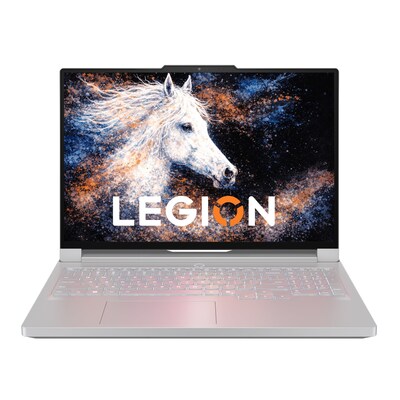
This partnership marks the first time TCL CSOT's IJP OLED technology has been successfully integrated into a laptop, signaling a substantial step forward in the commercialization of this next-generation display technology.
Reshaping the Value of Laptop Displays with Maturing Inkjet-printed OLED Technology
The 16-inch screen of the Lenovo Legion R9000P translates the technical advantages of IJP OLED into a premium product experience. Offering top-tier display performance, the screen supports an ultra-high 240Hz refresh rate to meet the demands of smoothly rendering fast-moving visuals.
For optimal image quality, the screen utilizes a Real RGB Stripe side-by-side subpixel arrangement that resolves the issues of text blurring and color fringing caused by the triangular layout of standard OLED subpixels, resulting in crisper text and clearer images.
Furthermore, the screen covers over 99% of the DCI-P3 color gamut, delivering rich and delicate colors. This color performance remains consistent and stable across all brightness levels, effectively addressing a range of diverse needs including professional design, audio-visual entertainment, and more.
Reshaping the Future of Display Panel Manufacturing
IJP OLED is a next-generation display manufacturing technology that uses an inkjet printing process to form organic light-emitting material films. Compared to traditional vacuum thermal evaporation (VTE), it eliminates the need for expensive manufacturing equipment and high-precision fine metal masks (FMM). The result is a streamlined process, more efficient production, and added cost advantages.
At the same time, it retains the core characteristics of OLED such as high contrast and excellent color performance. The technology can adapt to a wide range of application scenarios, opening a brand-new path for large-scale commercialization in the display industry.
TCL CSOT has been developing IJP OLED technology for over a decade, achieving a series of technological breakthroughs and specification upgrades. In November 2024, TCL CSOT's 5.5-generation IJP OLED production line (t12) in Wuhan officially entered mass production and delivered its first product, paving the way for large-scale production. Building on this momentum, the following year the company announced the construction of the world's first 8.6-generation IJP OLED production line (t8), marking a historic milestone for the display industry.
From medium-sized medical displays to this official commercial rollout in the laptop category, TCL CSOT has set a new industry benchmark for IJP OLED technology and will continue to push new boundaries. By iterating on the core IJP OLED manufacturing processes, the company will continue to improve production yields and refine its product suite across all sizes and scenarios. By offering low-cost, high-performance, and low-carbon display solutions, TCL CSOT plans to collaborate with both upstream and downstream partners to jointly upgrade technological capabilities and advance sustainable innovation in the display industry.
- End -
About TCL CSOT
Established in 2009, TCL China Star Optoelectronics Technology Co., Ltd. (TCL CSOT) is a leading global innovator in display technologies. Its LCD, OLED, and MLED solutions power applications across TVs, smartphones, tablets, laptops, monitors, automotive systems, VR/XR, and commercial displays. With a clear strategic direction set by its advanced display technology brand APEX, TCL CSOT invests continuously and strategically in R&D, driven by a mission to amaze, protect and inspire all people through endlessly innovative display technology. As part of TCL's Worldwide Olympic Partnership, TCL CSOT is proud to deliver display solutions that elevate experiences on the global stage.

Photo - https://mma.prnewswire.com/media/3006282/WhatsApp_Image_2026_07_16_at_10_32_09_AM.jpg
Logo - https://mma.prnewswire.com/media/2748692/Picture1__1_Logo.jpg
 View original content:https://www.prnewswire.co.uk/news-releases/lenovo-launches-legion-r9000p-featuring-worlds-first-inkjet-printed-oled-display-from-tcl-csot-302827184.html