Angel Yeast Releases 2025 Sustainability Report as Company Marks 40th Anniversary
SHANGHAI, June 13, 2026 /PRNewswire/ -- Angel Yeast (SSE: 600298), one of the world's leading yeast manufacturers, recently marked its 40th anniversary with the release of the 2025 Sustainability Report.
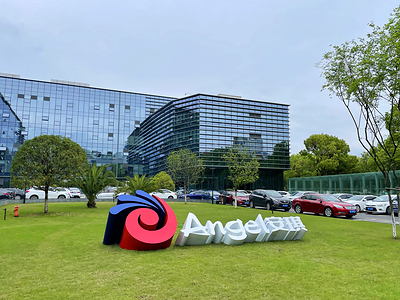
Structured around four key themes—Stable Development, Strong Momentum, Green Ecosystem, and Warm Care—the report outlines the company's performance in food safety, risk management, biotechnology innovation, environmental stewardship, and employee well-being. A dedicated ESG section covers governance, stakeholder engagement, and materiality assessment.
Throughout this year, Angel Yeast has continued to advance its global strategic initiatives consistently positioning sustainable development as a core strategic anchor to ensure the company's stable and long-term growth. Sustainability has been deeply integrated into corporate governance, strategic decision-making, and every segment of the value chain. Angel Yeast will remain true to its original mission and steadfast in action, working hand in hand with all partners to advance the path of sustainable development, pursuing long-term goals together and co-creating a shared future.
Climate goals and action: Angel Yeast has set clear targets to achieve carbon peaking by 2030 and carbon neutrality by 2059. In 2025 alone, the company implemented 46 energy efficiency and carbon reduction projects, saving over 10,000 MWh of electricity, 131,400 tonnes of steam, and 20,700 tonnes of coal. The company also made significant progress in quantifying carbon reduction outcomes, establishing benchmarks, developing systems, and enhancing capabilities.
Yeast protein for sustainable nutrition: Biotechnology innovation continues to drive product development at Angel Yeast. The company focuses on yeast-derived natural ingredients and precision fermentation technologies, developing products for nutritional fortification, gut health, sodium reduction, functional nutrition, and food-medicine homology applications. The company continues to bring these products to market to meet growing demand for healthier and more sustainable nutrition solutions.
International yeast standards: Angel Yeast also actively supports industry standardization efforts. In 2025, the world's first international standard for baking yeast, ISO 23983:2025, was published, with Angel Yeast contributing to its formulation.
Certification: In 2025, the company earned a Silver Medal from EcoVadis, a globally recognized rating agency, placing it among the top 15% of assessed organizations globally. Sustainable procurement performance ranked in the top 2% of its industry.
For the full report, please visit: https://en.angelyeast.com/about-us/social-responsibility.html
 View original content to download multimedia:https://www.prnewswire.co.uk/news-releases/angel-yeast-releases-2025-sustainability-report-as-company-marks-40th-anniversary-302799537.html